


91jl | The Evolution and Impact of Online Sports Arena Games
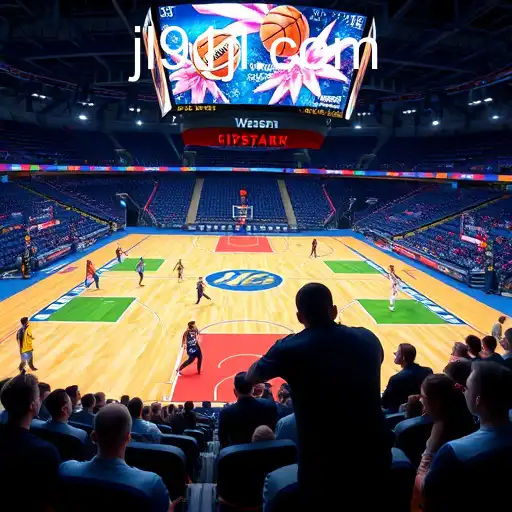
In the ever-changing landscape of digital gaming, the 'Sports Arena' category has become a significant genre capturing both the essence of traditional sports and the excitement of competitive online play. Known by the keyword '91jl', this category of games has evolved to attract a diverse audience, ranging from sports enthusiasts to casual gamers seeking a virtual experience of their favorite activities.
The genesis of sports arena games can be traced back to the early days of video gaming when graphical limitations pushed developers to focus on creative gameplay over realistic sports simulations. Initially, these games focused on simplistic yet addictive gameplay mechanics that mimicked the essence of real sports. However, as technology advanced, so too did the ability of game designers to create increasingly sophisticated simulations that now closely resemble live sports broadcasts.
One of the key elements driving the popularity of online sports arena games is their ability to facilitate community interaction. Just like traditional sports, these games bring people together through shared interests. Players can compete against friends, join online leagues, or watch competitive esports tournaments, creating a sense of camaraderie and competition that mirrors physical sports environments. Additionally, the incorporation of social features such as chat rooms and multiplayer modes enhances the game's community aspect, inviting gamers to not only play but also to engage in a shared digital experience.
As the line between digital and physical sports continues to blur, the significance of sports arena games in bridging this gap cannot be overstated. They provide a platform for gamers to experience the thrill of sports in a virtual setting, offering both casual and competitive formats. Additionally, these games often act as training grounds for aspiring professional esports athletes, enabling them to hone their skills in a sport-like structure.
Moreover, sports arena games have proven to be a boon for marketers and brands looking to tap into younger, digitally-savvy demographics. Many companies have started sponsoring esports teams or integrating their products into game environments, leveraging the immense reach and engagement of this digital genre.
In conclusion, the 'Sports Arena' category continues to evolve, shaping the future of how sports are played and enjoyed. As technology progresses, it is expected that these games will become even more immersive, further drawing parallels between digital arenas and their real-world counterparts. This growth not only enhances the gaming experience but also improves the potential for community building and commercial opportunities within the digital sports domain.
